Santa Catarina's boating industry is growing, boats are getting bigger and new infrastructure investments are leaving the drawing board. With that expansion comes a sum the sector has to balance: more professionals need to be trained to serve shipyards, marinas, workshops and nautical service companies. It is not a matter of qualification, the teams already in the market are good and keep updating themselves, but of numbers: demand is growing faster than the pool of available people.
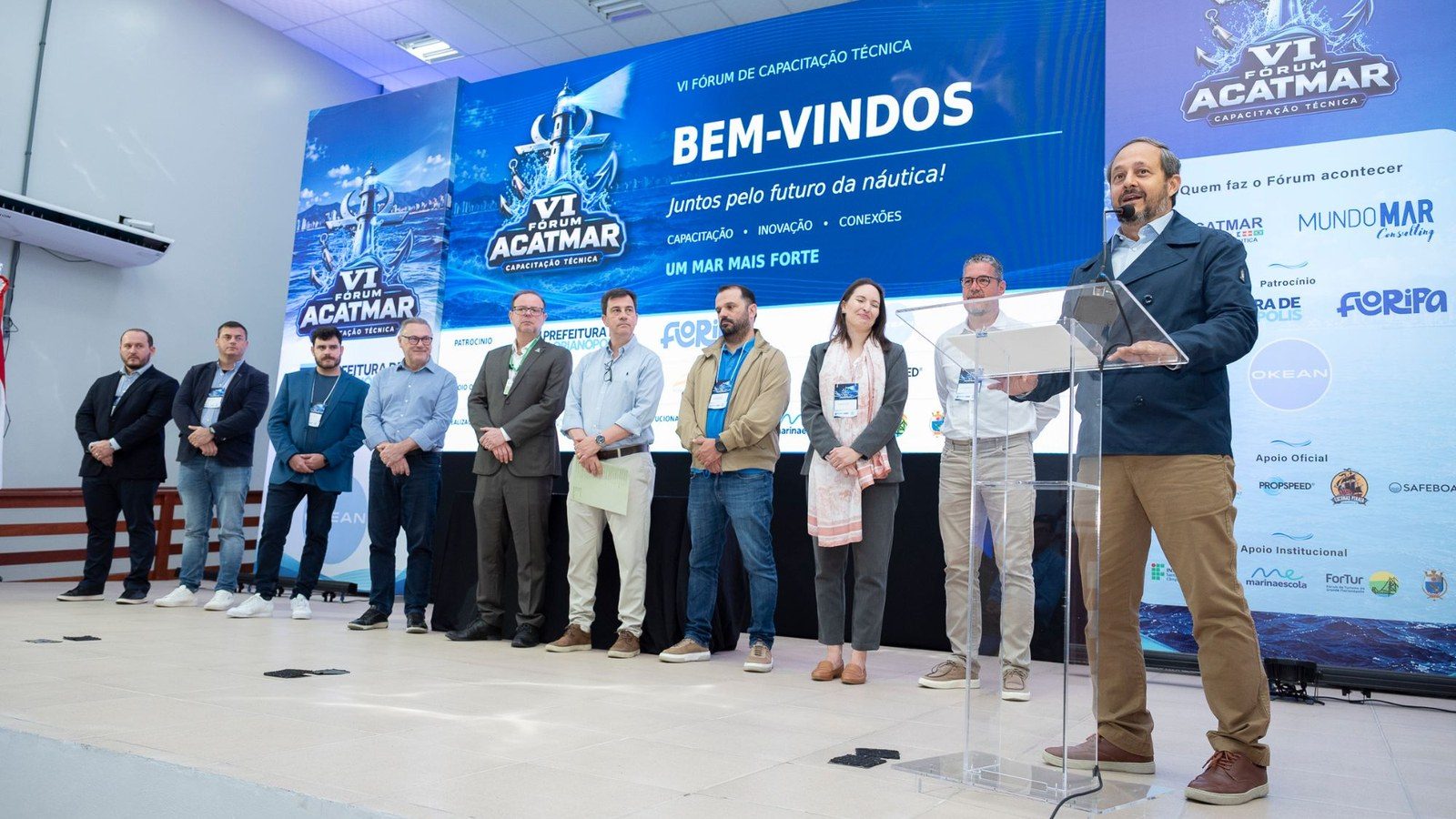
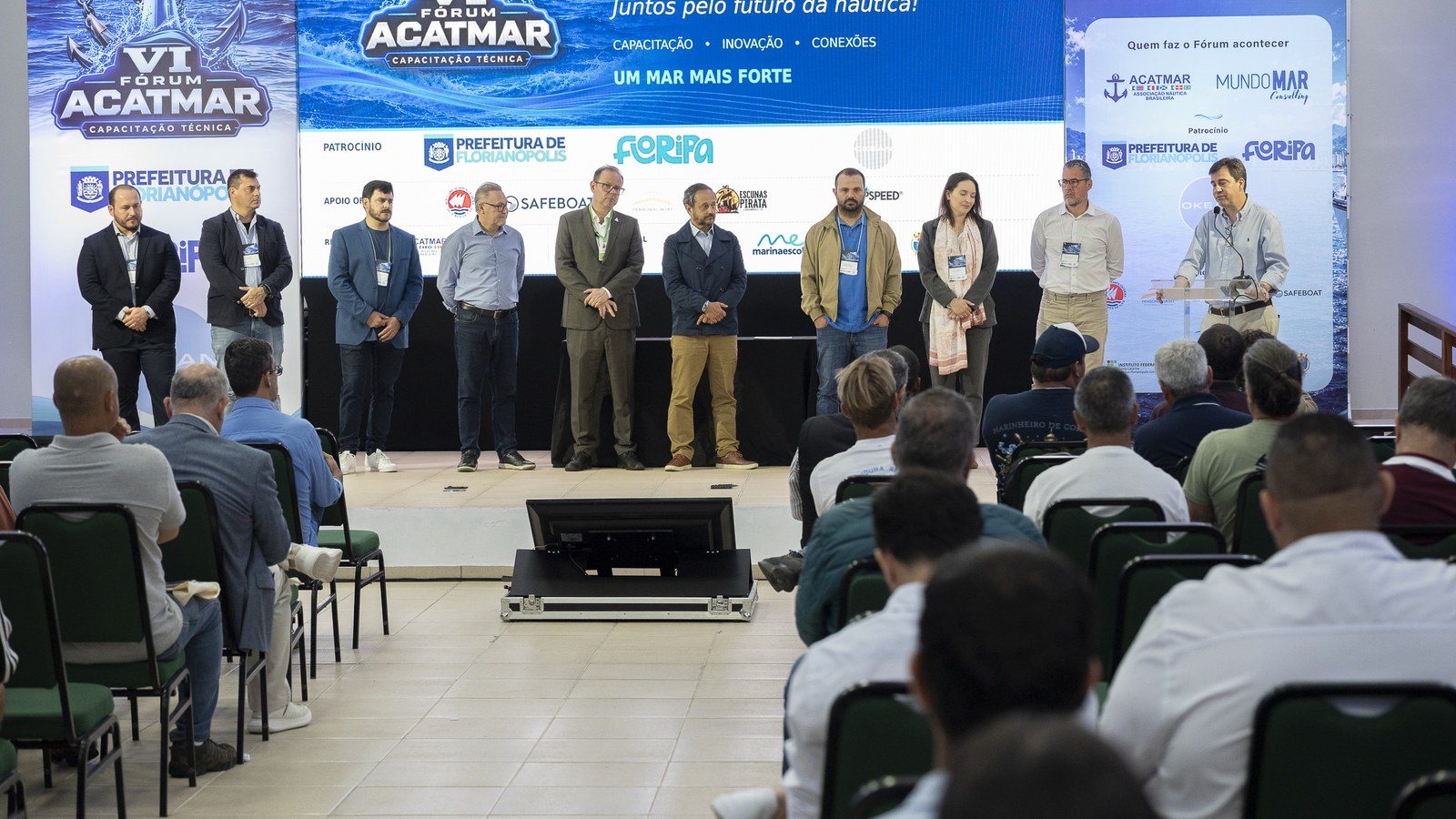
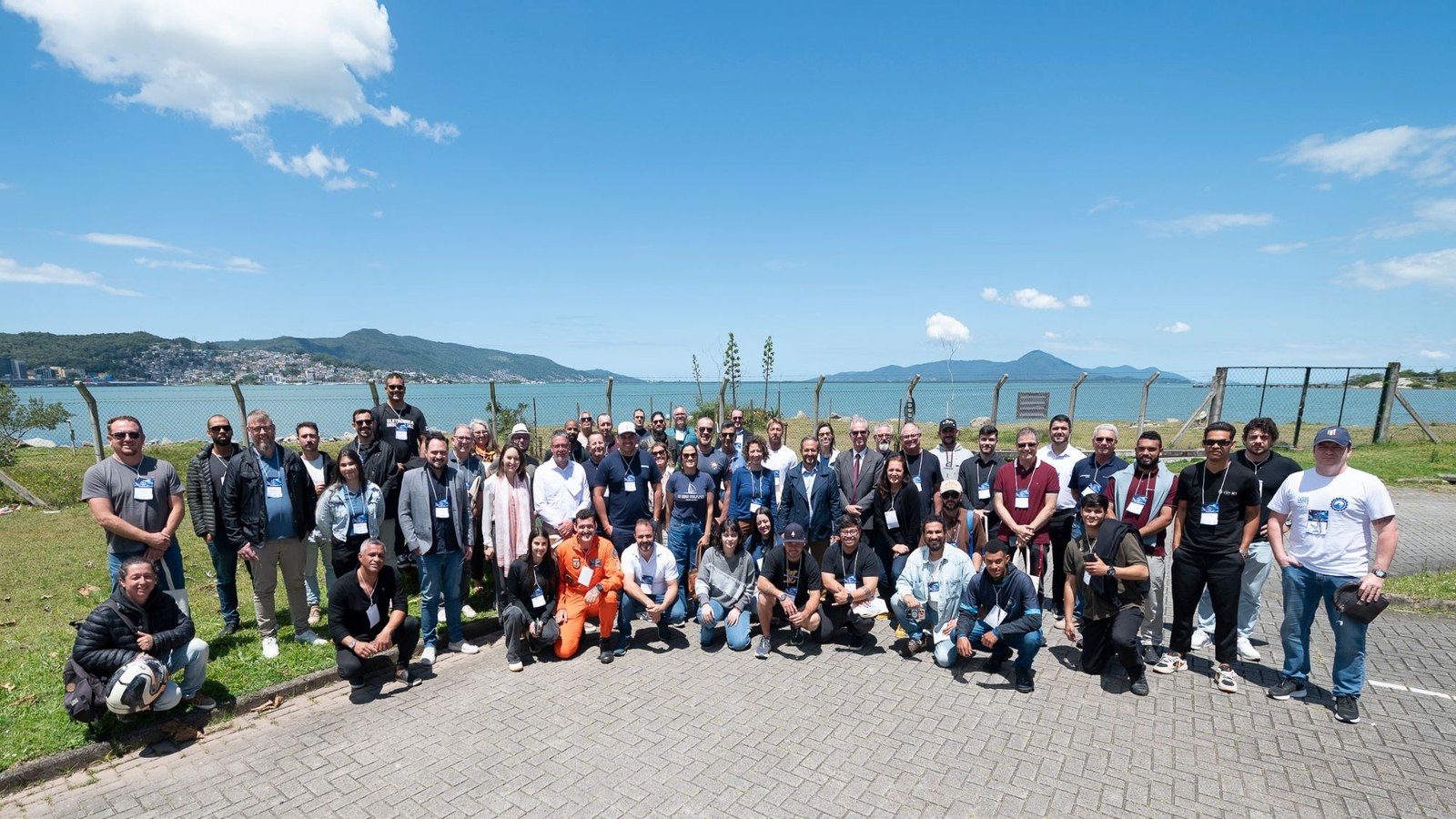
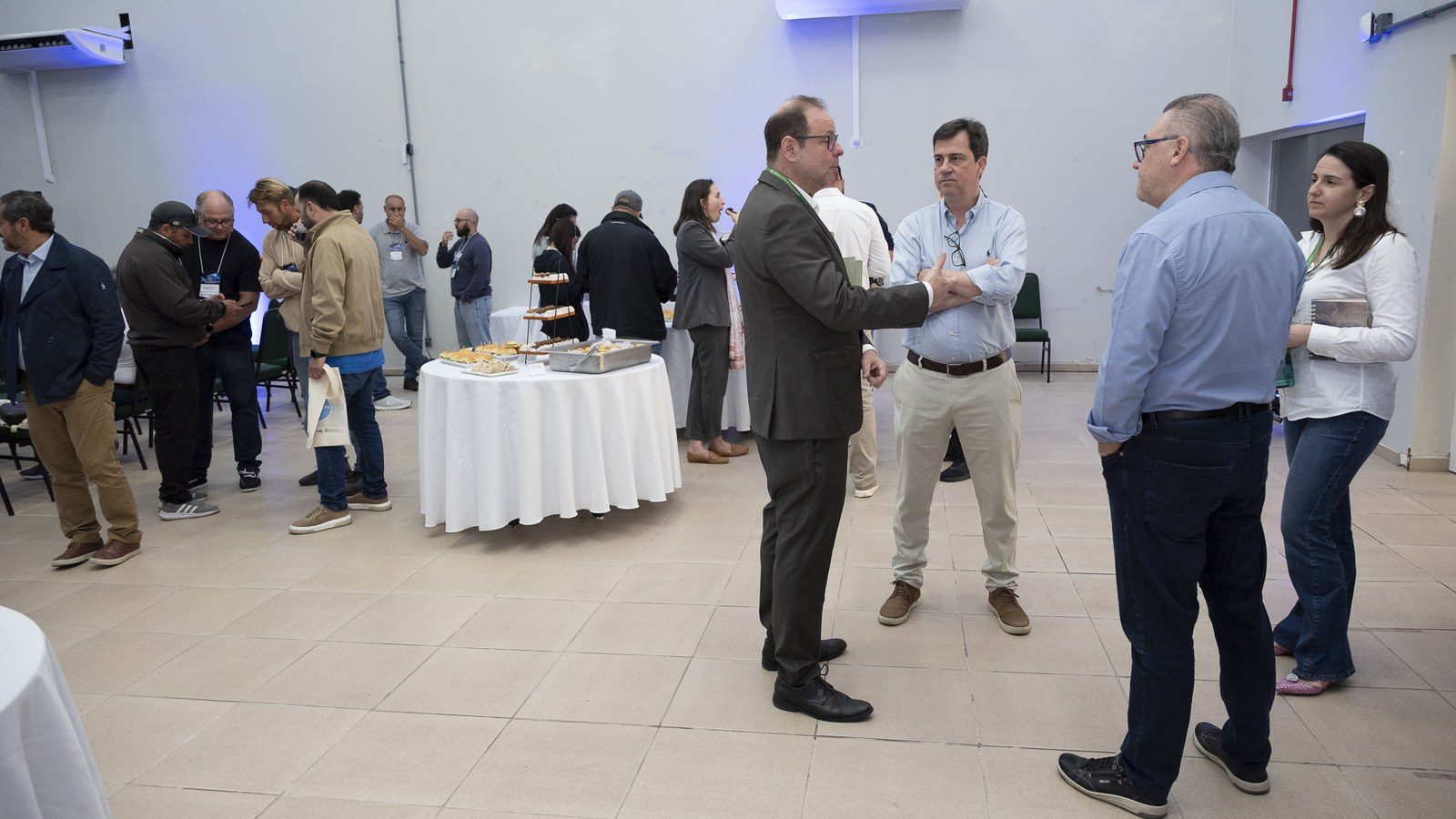
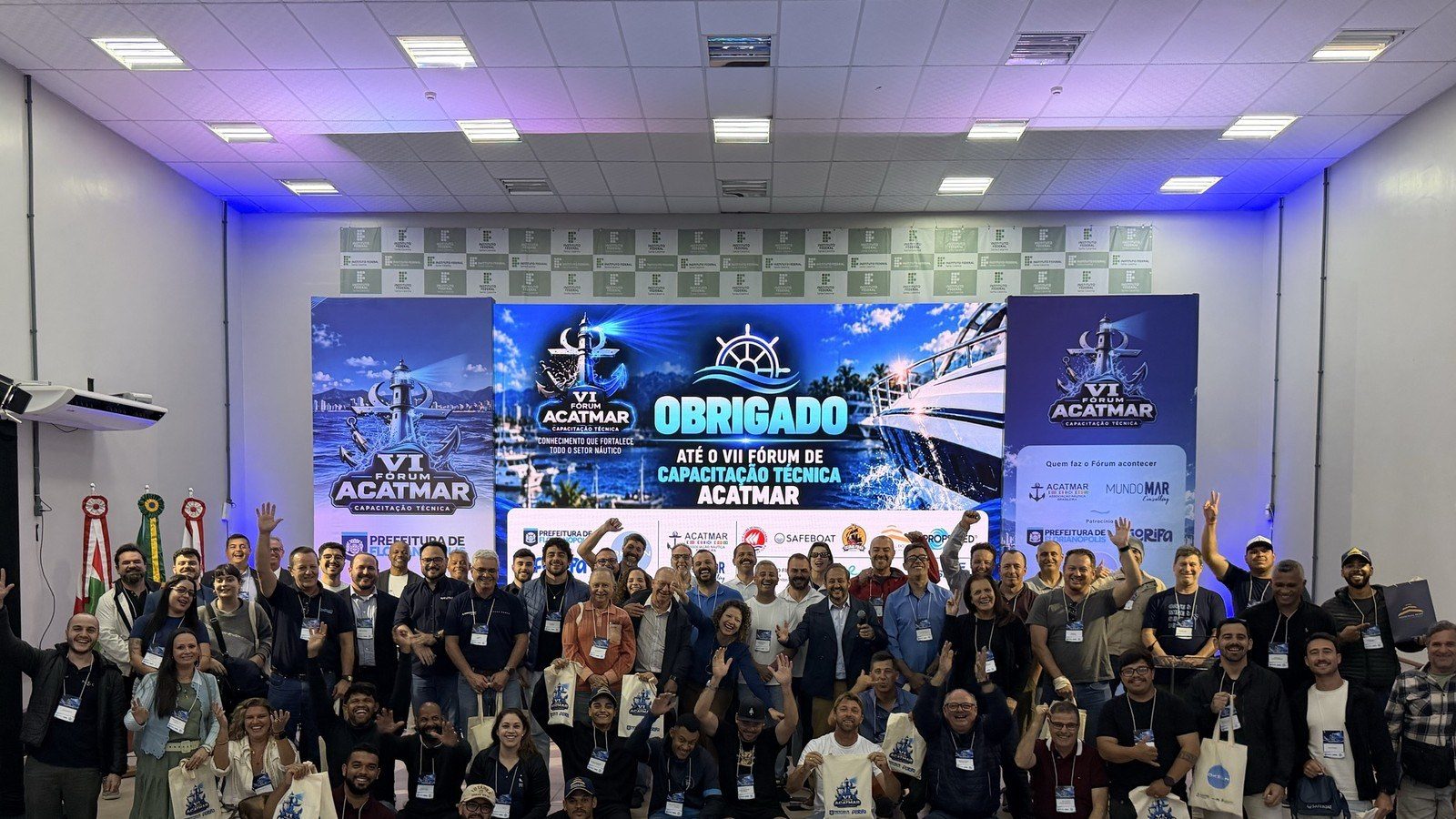
That was the centre of the debate at the 6th ACATMAR Technical Training Forum, held on Tuesday, October 20, at IFSC Florianópolis-Continente. Organised by ACATMAR, the Brazilian Nautical Association, and Mundo Mar Consulting, the event brought together specialists in technology, boat maintenance, safety, innovation and sustainability.
The Forum in numbers
- 229 registered participants, a record since the event was created in 2014
- A full day of programming, from 8am to 7pm, at IFSC Florianópolis-Continente
- Sixth edition of a gathering held for more than ten years
- Organised by ACATMAR and Mundo Mar Consulting, sponsored by the Florianópolis City Hall and the Okean Group
The new marina park will demand more professionals
One of the examples cited at the Forum is the Parque Marina Beira-Mar Norte, under construction in the state capital. According to Florianópolis's municipal secretary for Tourism, Economic Development and Innovation, Juliano Richter Pires, the development should handle around 600 boats, creating demand for maintenance, cleaning, engine mechanics, crew and a list of specialised services the city has yet to structure. The City Hall intends to maintain its partnership with ACATMAR to widen training opportunities, mainly for residents of Florianópolis and the surrounding region.
The IFSC Marina School wants to train those who will fill the jobs
Another initiative presented at the event was the IFSC Marina School project, developed with ACATMAR since 2025. The idea is to create in Florianópolis a facility dedicated to professional training and to activities linked to the sea economy.
According to Vinícius de Luca, director general of IFSC Florianópolis-Continente, the project is being planned for an area with nearly 300 metres of waterfront, next to the institution, with the ambition of becoming the first of its kind in Latin America. Training will also involve the Florianópolis and São José campuses, focused on boat maintenance, engines, fibreglass and design, while the Continente campus concentrates on the blue economy and services linked to tourism, gastronomy and hospitality.
Bigger boats, more people needed
The need to widen the skilled workforce is clear in the industry. Amanda Remor, from the marketing team at the Okean Group, a Forum sponsor, presented figures that explain the pressure on technical training:
- The group, which has a shipyard in Itajaí, recently delivered its 100th boat
- The average size of the boats it builds has reached 61 feet
- Four or five years ago, that average was just over 50 feet
Bigger boats demand more technology and more specific technical knowledge. Since boatbuilding remains a largely handcrafted activity, good professionals end up being fought over by the same shipyards, a sign that the chain needs to attract new people in order to grow without losing quality.
Brazilian technology and decarbonisation
The professionalisation of the market was also the theme of the talk "Less barnacle, less carbon", by Januario Gagliardi, of JRG Trading, the official Propspeed distributor for Latin America. In the segment since 2011, he reckons Brazilian industry has already reached an important level of technical development, with companies exporting technology, design and services.
In his presentation, Gagliardi covered solutions to reduce marine fouling on hulls and propellers, which improves a boat's efficiency and cuts fuel consumption and emissions. Decarbonisation, he noted, is one of the great challenges of maritime activity given international environmental requirements.
What was taught
Through the day, the Forum covered technical content on:
- Smart monitoring of boats
- Cooling systems and how engines work
- Onboard electronics
- Safety and rescue along the Santa Catarina coast
- Marine glass
- Fibreglass and composite repairs
- Sustainable solutions for cleaning and maintaining boats
The economy behind the equation
The data that help size up the demand the sector will have to meet, according to the Santa Catarina State Planning Secretariat (SEPLAN/SC):
- 239,671 formal jobs in Santa Catarina's sea economy in 2024
- 8.5% of all employment contracts in the state
- 25% growth in the number of jobs between 2014 and 2024
- 66,895 formal workers in Greater Florianópolis, the region that employs the most
And the indicators compiled by ACATMAR:
- 70% of national production of leisure and sport boats comes from Santa Catarina
- 1,028 nautical companies in the state
What they said
Leandro "Mané" Ferrari, president of ACATMAR:
"We know about the labour shortage in the sector, and it is at every level, from industry to nautical tourism. Training has always been one of ACATMAR's great mottos. When we started this Forum, in 2014, that was exactly why."
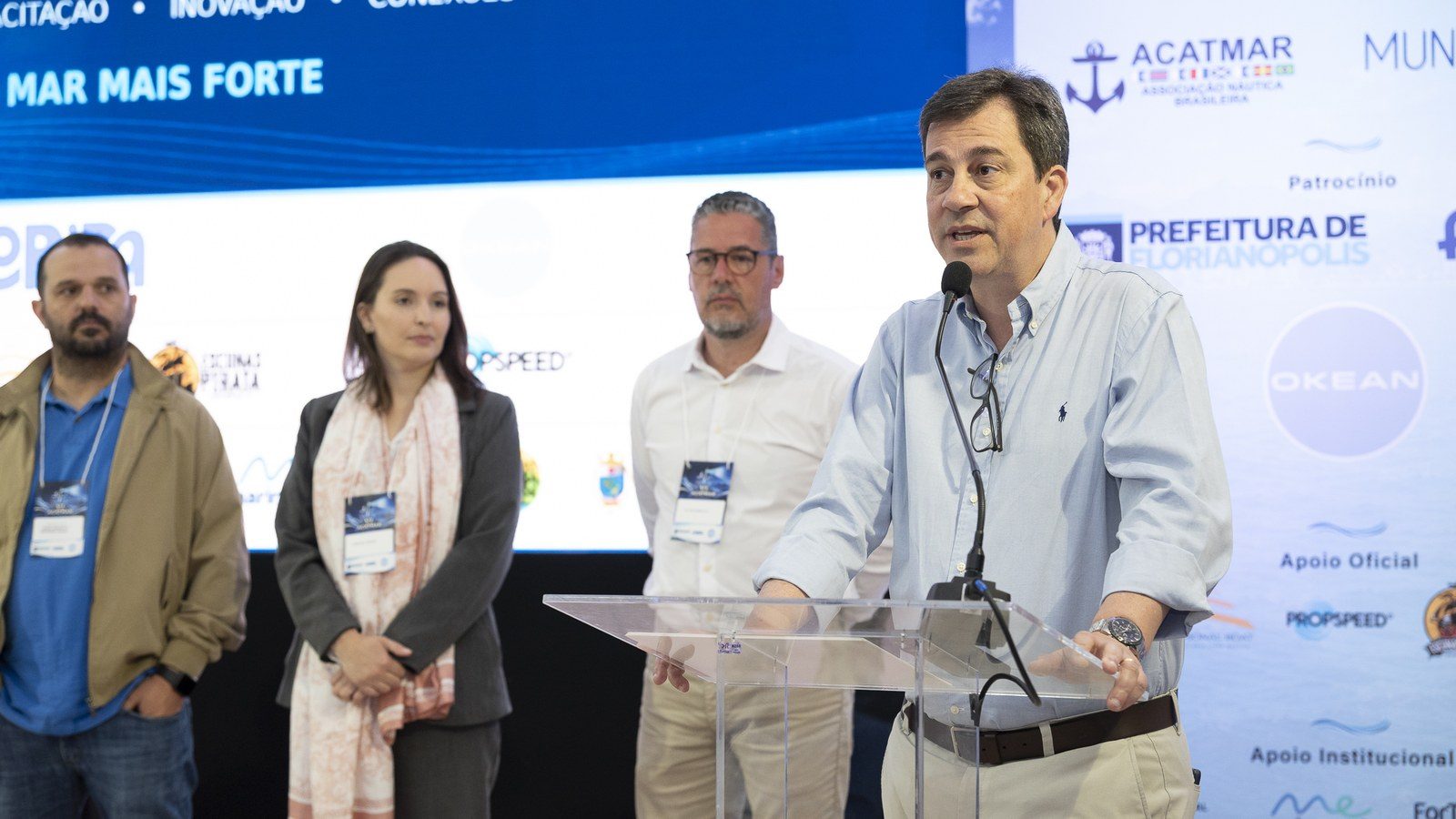
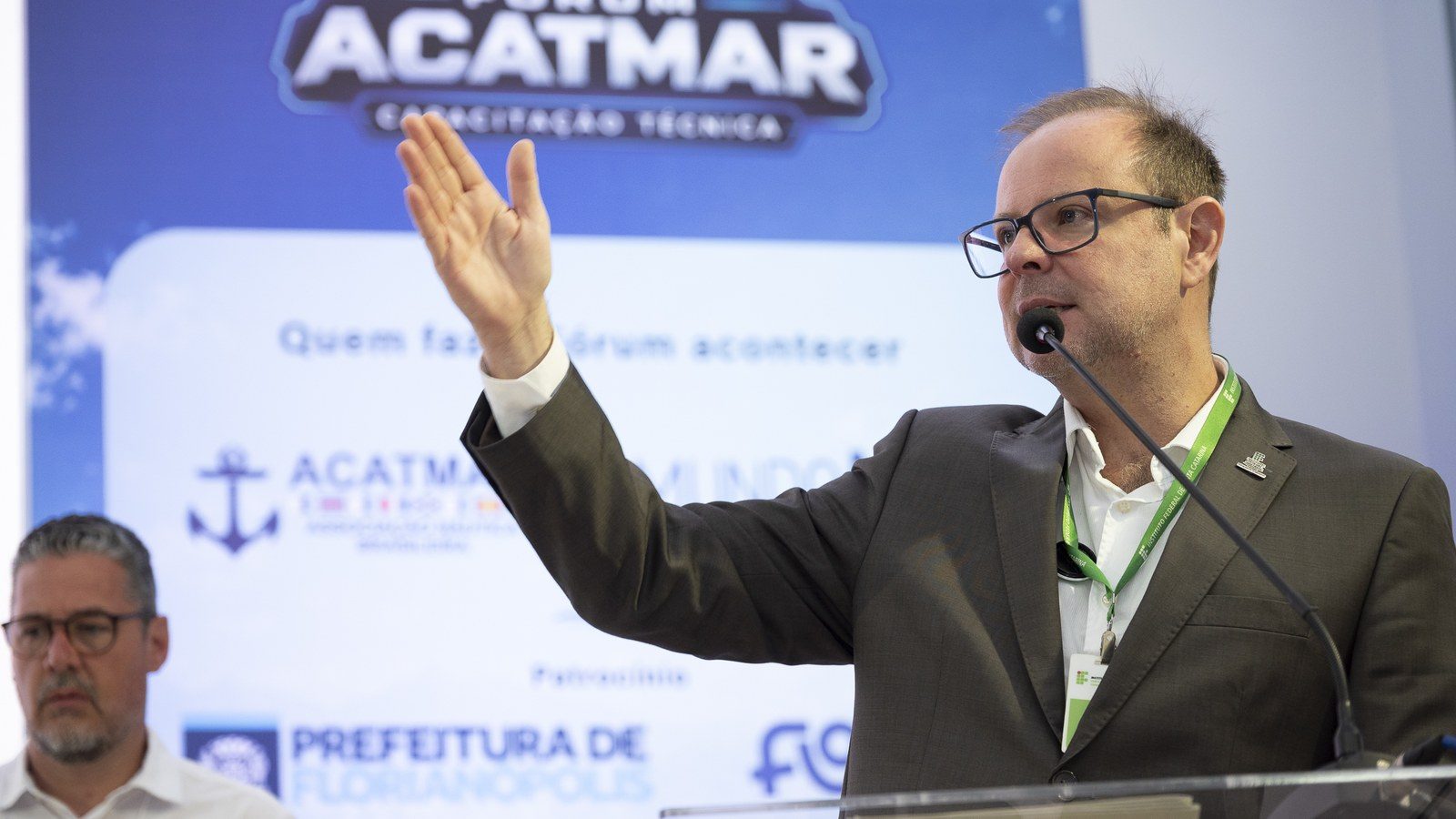
Juliano Richter Pires, Florianópolis's municipal secretary for Tourism, Economic Development and Innovation:
"We are going to need maintenance, cleaning, engine professionals, crew and a series of services that Florianópolis had not been paying attention to. This Forum exists precisely to train the people who will be able to fill those spaces, attract new service providers and, consequently, generate jobs and opportunities."
Vinícius de Luca, director general of IFSC Florianópolis-Continente:
"We have been working with ACATMAR since last year on this project. The Marina School will involve different areas of training and will also count on the Florianópolis and São José campuses, especially in boat maintenance, engines, fibreglass and design. Here, at the Florianópolis-Continente campus, the focus will be on the blue economy and on services linked to tourism, gastronomy and hospitality."
Amanda Remor, marketing at the Okean Group:
"Every time we move to bigger boats, we need more technology and more specialised labour. The boating industry is extremely handcrafted and depends heavily on people. In Santa Catarina we notice that professionals end up circulating between the same shipyards. We need to train more young people so the sector can keep growing."
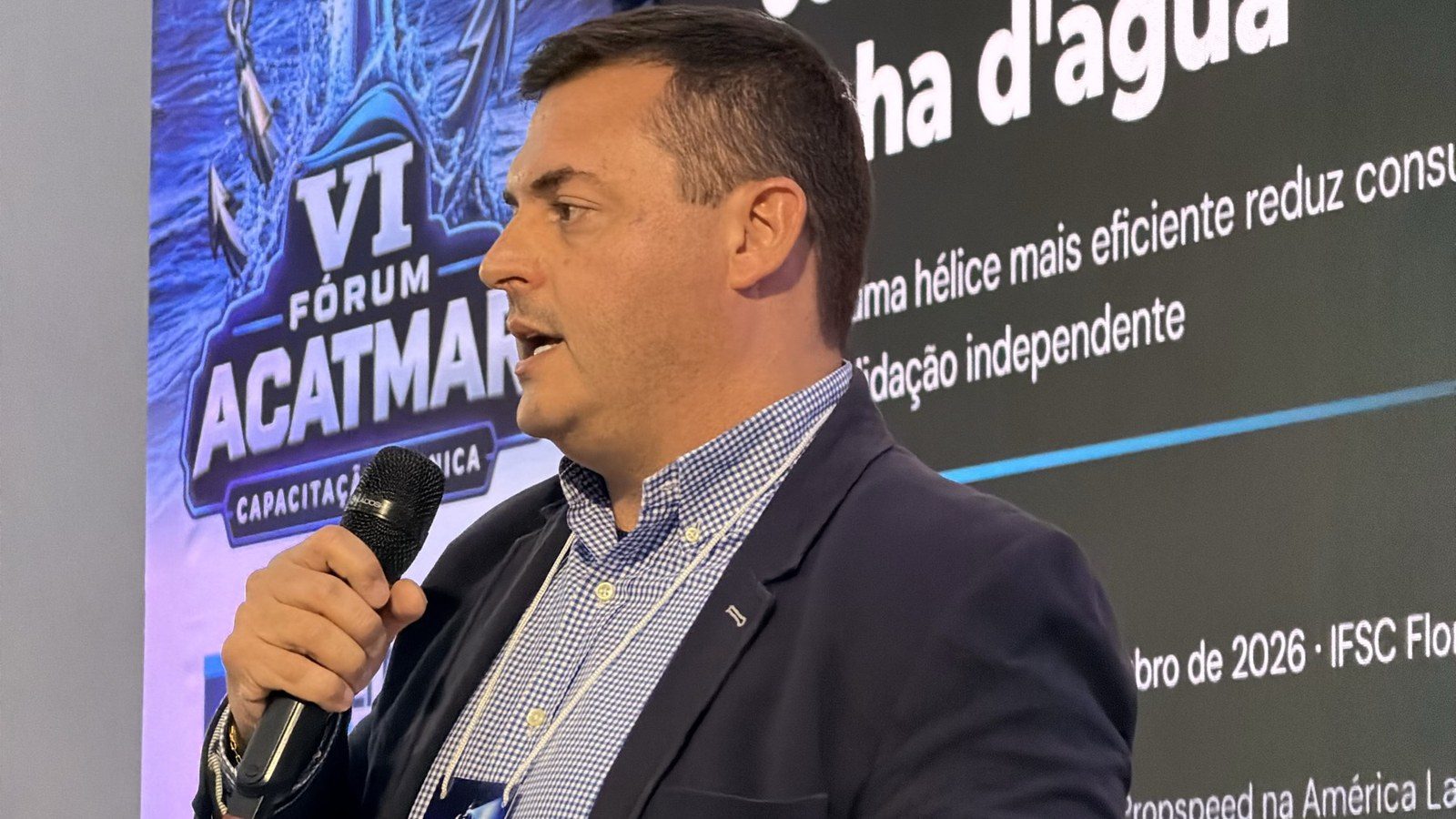
Januario Gagliardi, of JRG Trading:
"Today we have Brazilian companies exporting technology, design and services. The market has professionalised a great deal in recent years, but challenges remain. Sharing knowledge is essential, especially for students and people who never imagined they could work in this segment."
Fact file
6th ACATMAR Technical Training Forum
Date: October 20, 2026
Venue: IFSC Florianópolis-Continente, Florianópolis (SC)
Registered: 229, an event record
First edition: 2014
Organisers: ACATMAR, the Brazilian Nautical Association, and Mundo Mar Consulting
Sponsors: Florianópolis City Hall and Okean Group
More information: acatmar.org
By: Redação Mundo Mar
Photo: Foto: ACATMAR/Divulgação