The sea as the axis of everything
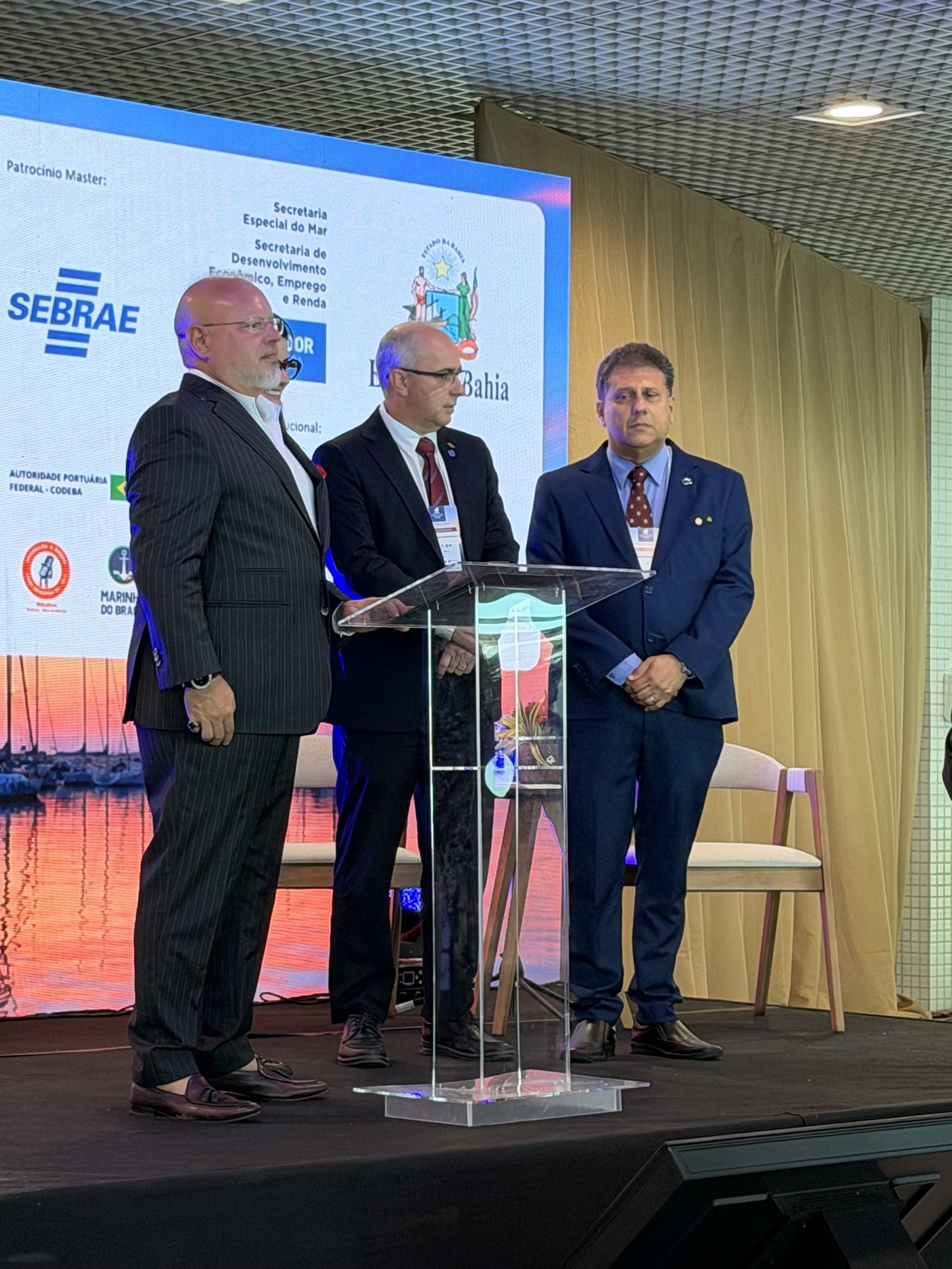
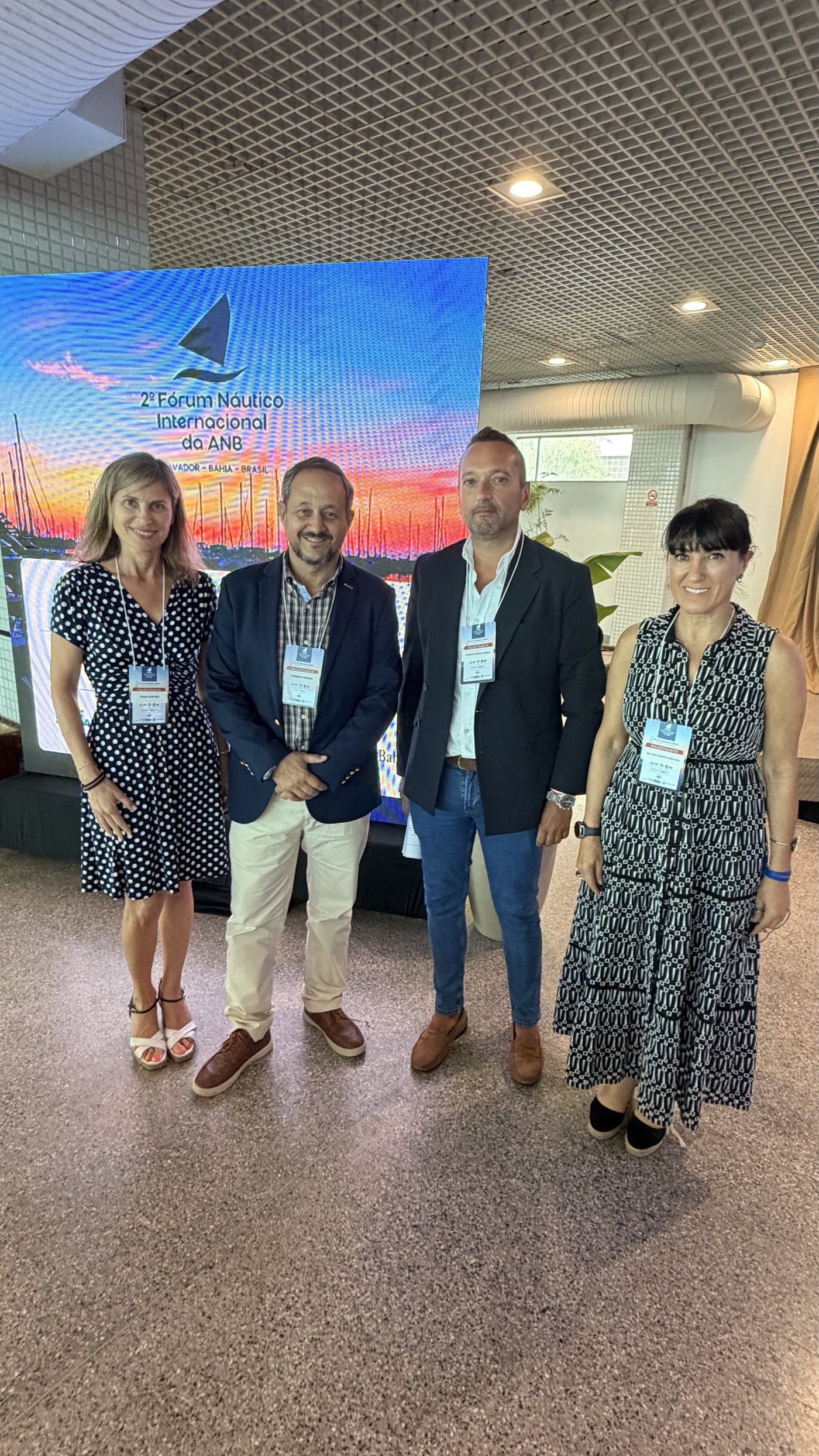
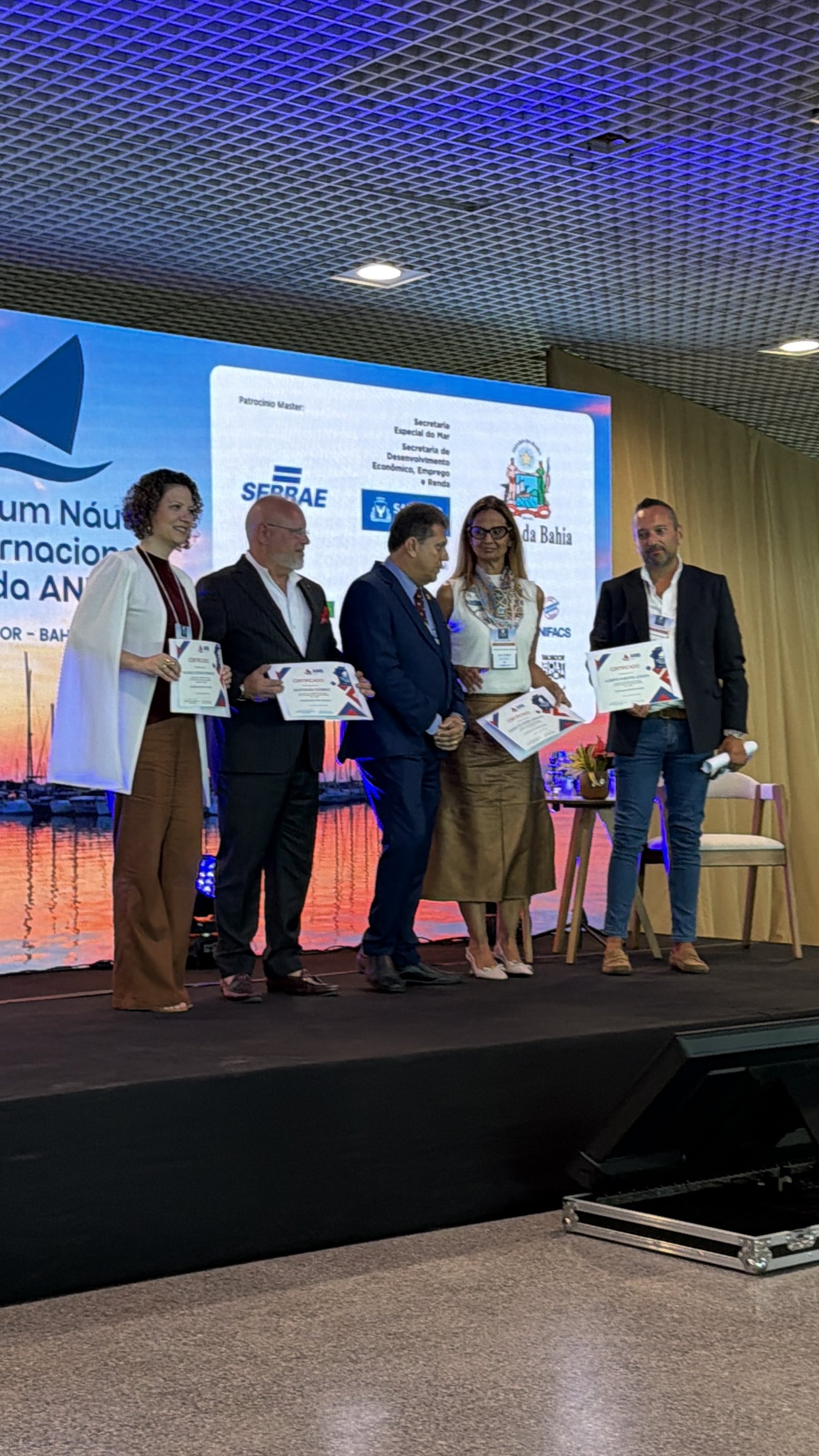
The 2nd ANB International Nautical Forum, organised by the Nautical Association of Bahia, opened on Wednesday, 16 September, at the Salvador Maritime Terminal, with a programme that ran through the entire Ocean Economy chain in a single day. There were four panels, from the urban planning of ports to high-performance sport, taking in tourism and marina investment along the way. Mundo Mar followed it closely, with journalist Michele Castilho Henrique, a director of the ANB, moderating the opening panel.
Panel 1: when the city embraces the port
The opening session took the theme "Port-City Integration", moderated by Michele Castilho Henrique. Salvador's Secretary of the Sea, Maria Eduarda Lomanto, noted that she leads the first secretariat of its kind in Brazil and summed up the capital's relationship with the ocean: "Salvador grew from the sea, and the city organises itself around the port. 90% of everything we consume comes by sea." For her, cities must stop seeing the port as an awkward neighbour and start treating it as a driver of development, with clear models of public governance.
Antônio Gobbo, of the Bahia Docks Company (Codeba), brought the perspective of the infrastructure operator. He spoke about port development and the logistical challenges of the São Francisco River, and cited a 24% growth in port activity in 2024, alongside projects that bring port and community closer, such as the Port Memory Museum and the sanitation of Ilha de Maré.
The international counterpoint came from Alberto Fuentes Losada, secretary general of the Port of Vigo, in Spain, one of Europe's largest fishing ports. He presented the concept of "ports as hubs of the blue economy" and explained how Vigo reconnected port and city from 2014 onward, through 16 collaborative committees that gathered around 300 specialists. It is exactly the kind of experience Bahia is watching as it plans the Bay of All Saints.
Panel 2: sport that builds people
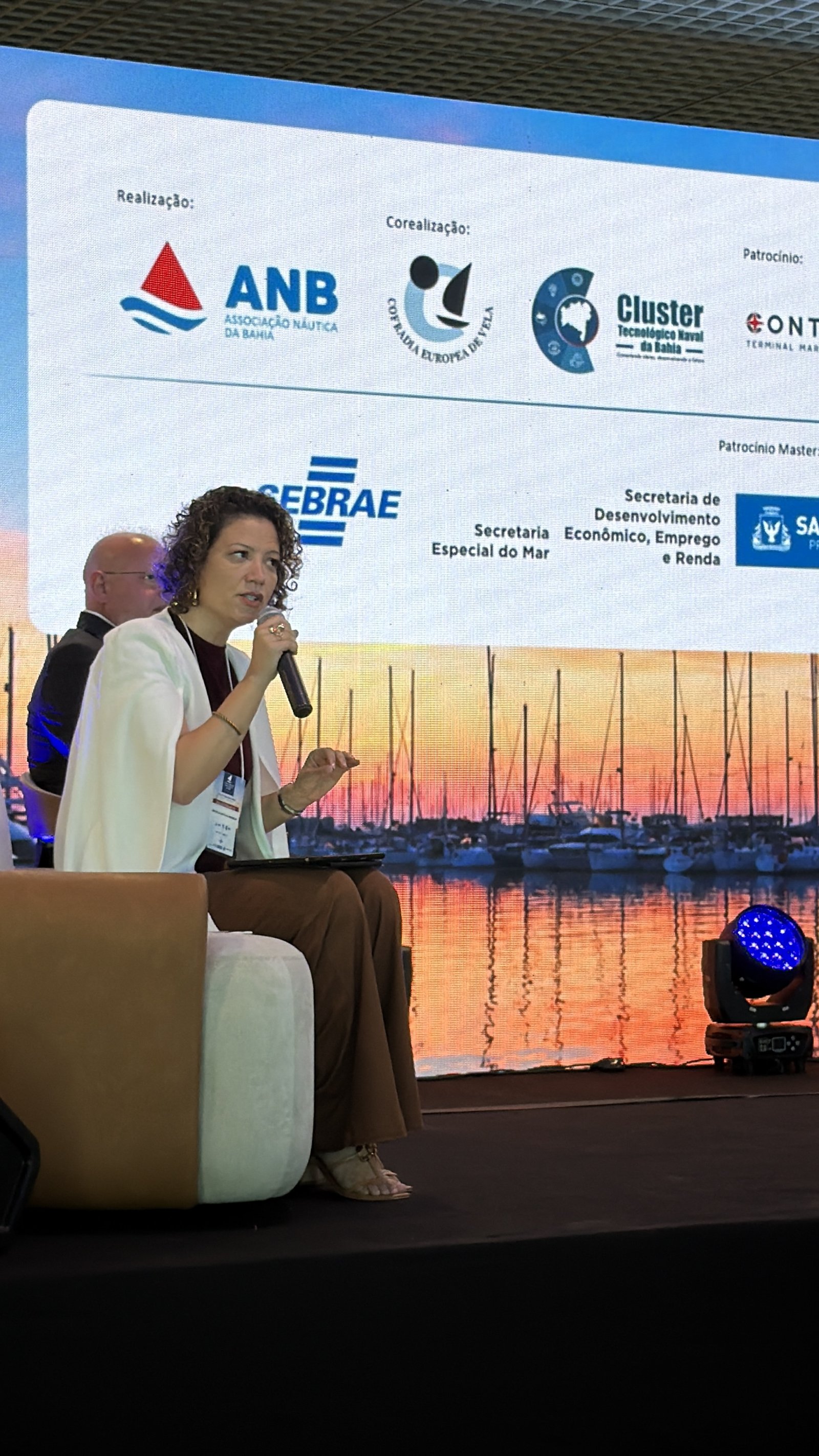
In the afternoon, the panel "Nautical Sports: Education, Health, Citizenship and Inclusion", moderated by Marcelo Baqueiro Fróes, a director of the ANB, showed that sailing and rowing go far beyond competition.
Spanish psychologist Delfina Vicente Santiago, a high-performance specialist, argued that the mind trains as much as the body. "We train the mind and the capacity to go beyond, and that applies to coaches as much as to athletes," she said, describing what she called invisible training: nutrition, sleep and emotional control.
The strongest moment came from Bahian Paralympic rower Renê Campos, a doctor by training and a bronze medallist at Tokyo 2020. He told how a spinal cord injury at 26 turned him from doctor into patient, and how he found in rowing a chance to start again, training on a lagoon in Sauípe during the pandemic until he reached the Paralympic podium. He used the stage to call on authorities for better training infrastructure in the state.
Closing the table, sailor Bernardo Peixoto, Brazil's number one in the SSL ranking and campaigning for the Los Angeles 2028 Games, spoke of the financial and logistical challenges of the Olympic Nacra 17 class and championed the potential of the Bay of All Saints: "It's one of the best places to sail," he said, pointing to the region as a base for the development of Brazilian sailing.
Panel 3: tourism that unites faith, culture and the sea
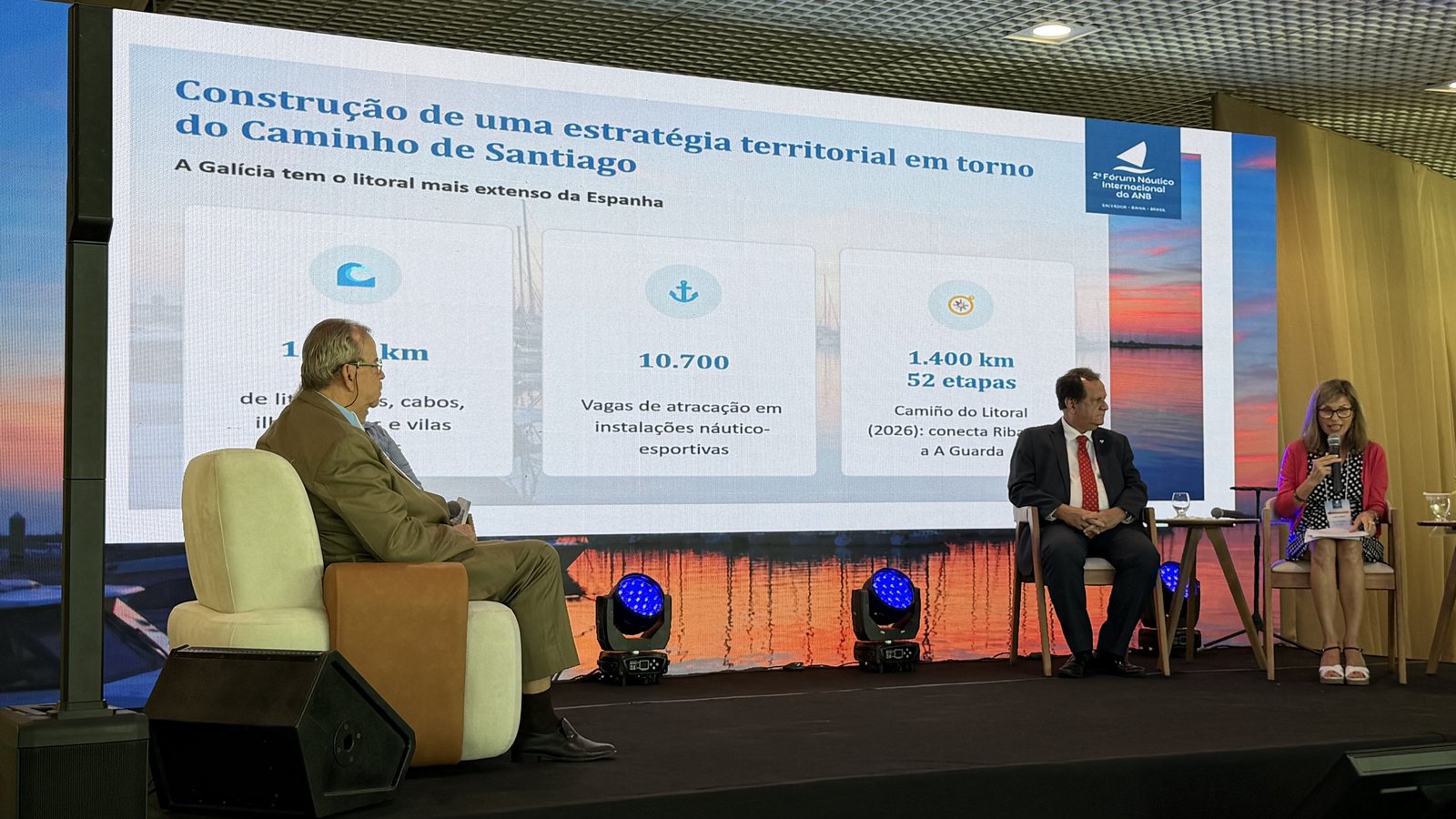
The third panel discussed nautical and religious tourism as a driver of regional development, a theme where Bahia has much to gain. The international guest was Nava Castro, a reference in Galician tourism and now mayor of Ponteareas, who presented the building of a territorial strategy around the Camino de Santiago. She noted that Galicia has the longest coastline in Spain and showed figures from the Galician model, such as around 10,700 berths in nautical-sport facilities and a 1,400-kilometre coastal route split into 52 stages, connecting the pilgrimage to the sea.
On the Bahian side, the state's Secretary of Tourism, Maurício Bacelar, brought the experience of promoting popular festivals marked by religious syncretism and local culture, assets that speak directly to the nautical tourism of the Bay of All Saints. The table was completed by Salvador's deputy mayor, Ana Paula Matos, the president of the Bahia Tourism Council, Pedro Costa, and Edicarlos Moreira, of Sebrae/BA, who works on experience tourism and strengthening small businesses tied to the destination.
Panel 4: where marina investment comes in
The day ended with the panel on investment in nautical infrastructure, marinas and related facilities, the link that turns vocation into business. Leilane Loureiro, ANB marinas director and manager of Bahia Marina, a national benchmark in the segment, brought the view of someone running one of the country's leading marinas. Economist José Raimundo Zacarias, a Sebrae consultant for the nautical sector, addressed the diagnosis and economic viability of projects, while biologist Mario Wolff Bandeira spoke about environmental licensing and marina management under ESG criteria. From São Paulo, Bianca Colepicolo, tourism secretary of Caraguatatuba and coordinator of the tourism chamber of the São Paulo Nautical Forum, brought the São Paulo experience of planning nautical tourism.
What day one leaves behind
The message from the four panels converged: Bahia has the longest coastline in the country and a Bay of All Saints with potential to spare, but it needs to organise port, city, sport, tourism and marinas within a single strategy. Examples such as Vigo, in Spain, and the Galicia of the Camino de Santiago show that the path runs through governance, planning and continuity. The Forum continues this Thursday, 17, with panels on fishing, coastal management, the nautical and naval industry, and ocean geopolitics.
Details
2nd ANB International Nautical Forum
16 and 17 September 2026
CONTERMAS, Salvador Maritime Terminal, Avenida da França, Comércio, Salvador (BA)
Programme and registration: doity.com.br/2o-forum-nautico-internacional-da-anb
By: Redação Mundo Mar
Photo: Foto: Mundo Mar